Last week the Visions 2100 international roadshow came to Dublin. I first encountered it, driven by the irrepressible John O’Brien, as a side event at last December’s COP21 conference, where, as one of 80 contributors to the book from around the world, I attended and spoke at the Paris launch (click here for a backgrounder piece I wrote at the time).
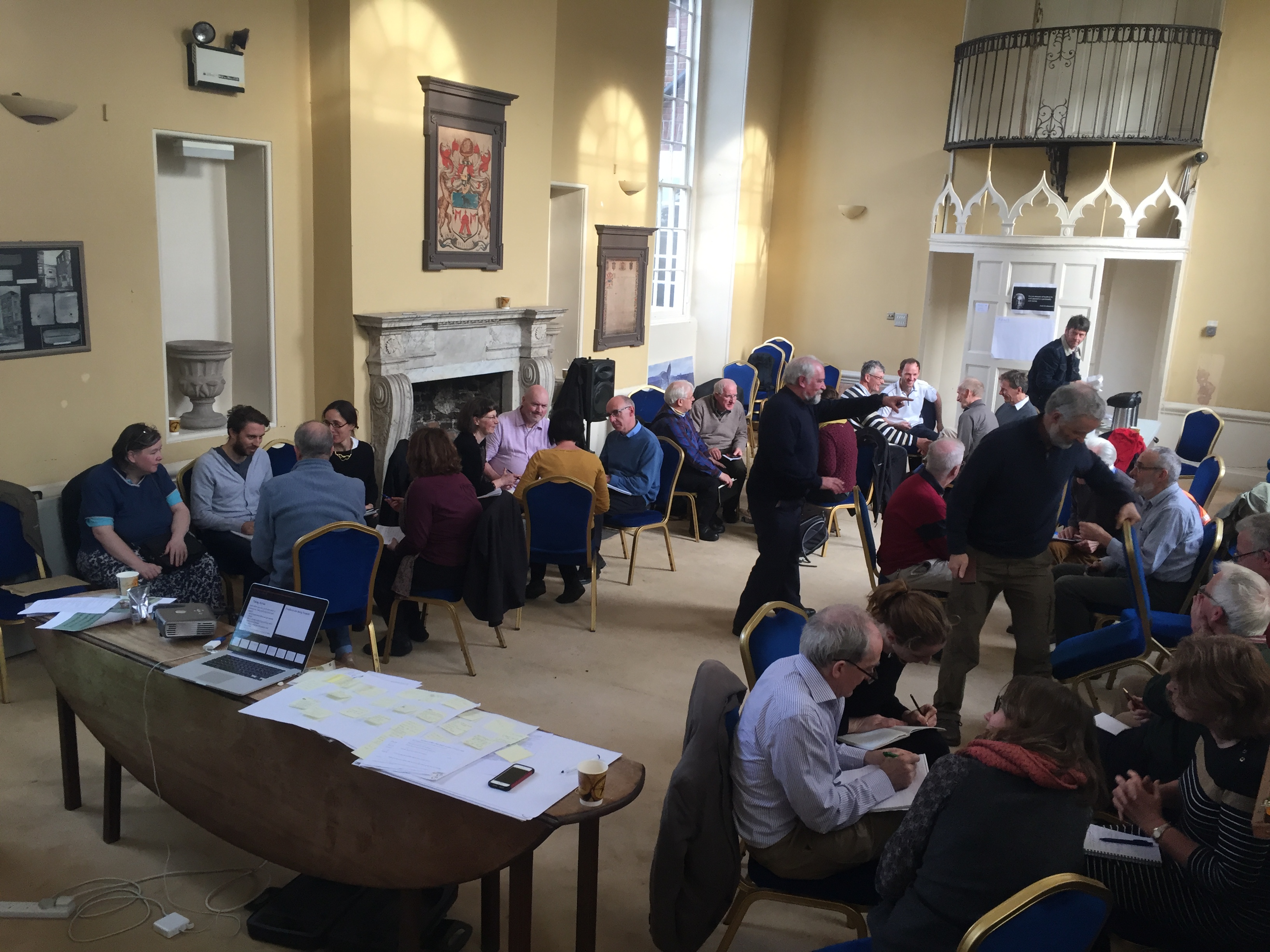
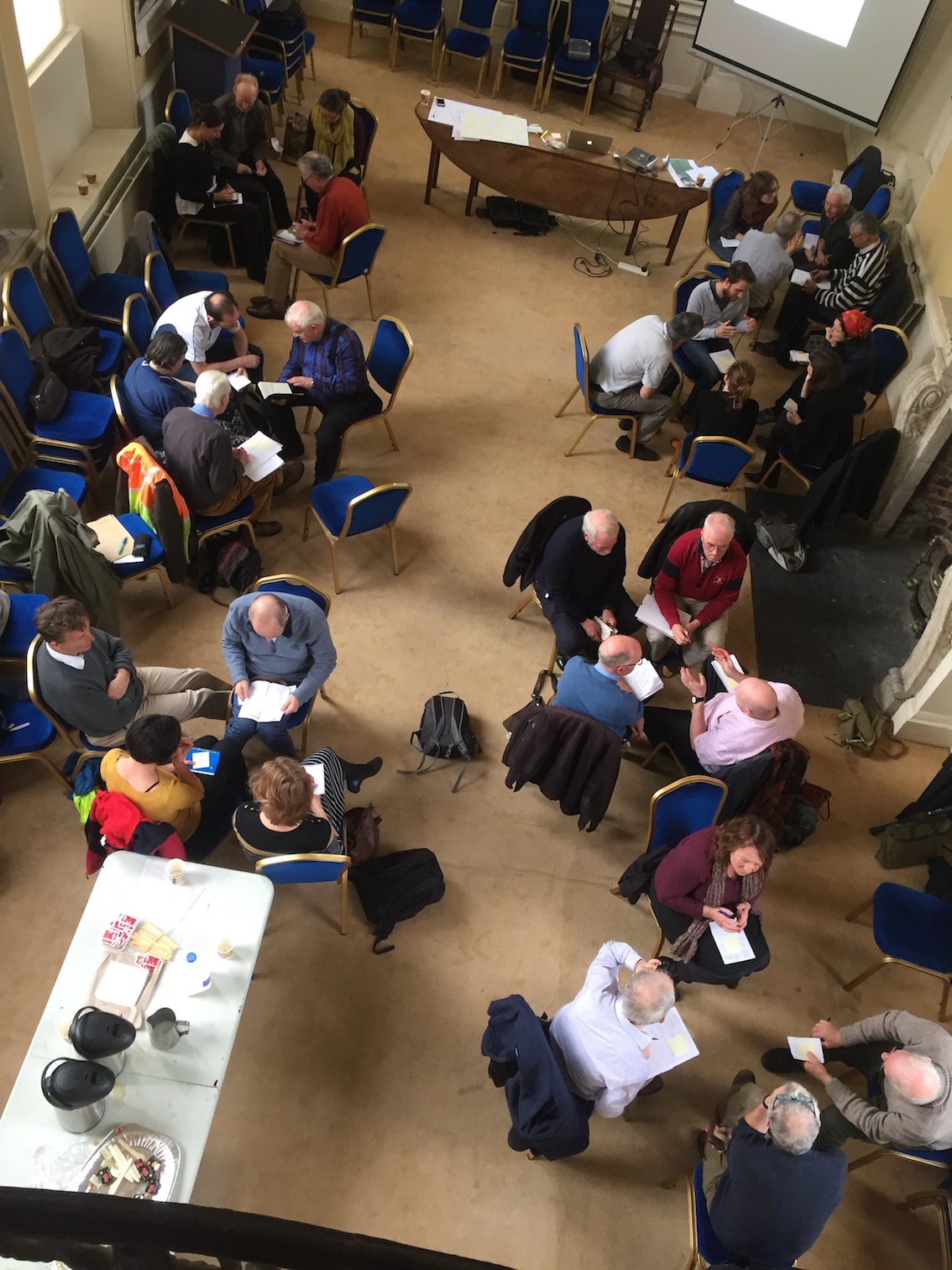
The venue for last week’s event was the newly refurbished Great Hall in Tailors Hall, Christchurch, home of An Taisce. The hall was packed out for the event, with standing room only. Speakers included former communications minister, Alex White, Dr Cara Augustenborg of UCD, Aideen O’Hora of Sustainable Nation and myself.
Climate committee chair, Phil Kearney welcomed the launch on behalf of An Taisce. Cara’s account of the meeting is here, and there’s another report by sustainability blogger, Aideen O’Dochartaigh here.
Since there are ample meeting reports above, I’ve added a video recording I made of the event below, for anyone who might be interested in catching up.
For the record, below is my ‘vision’ for the world in 2100, as published in John O’Brien’s book. Some would call it dystopian, but as was pointed out at the meeting, my estimate of there still being 50 million humans alive in 2100 is exactly one million times more optimistic than the lowest estimate in the book!
“First, the good news. Against the odds, we made it to 2100. Only fifty years ago it looked like it was game over for homo sapiens. It sounds crazy now, but back in my grandparents’ time they really did carry on for a while like there was no tomorrow: tearing down rainforests, flattening mountains, poisoning the seas, waging war on nature – all in pursuit of this strange idea they called ‘growth’.
There aren’t that many books now, but our teachers describe the Age of Madness, as it’s called, when the scientific community repeatedly warned that Earth systems were in extreme danger. But nobody listened, and few chose to act.
How could this have happened? Everyone, it seems, was competing with everyone else for money, resources, status. No one seemed to notice that this spree couldn’t last forever. Even the revelation back in 2015 that half of all the world’s wild animals had been wiped out failed to ring the alarm bells. And as for all the warnings about climate change, they always seemed to be about someone else, or some time in the future”.
Well, that future is now. This generation has learned the hard lesson of hubris – and humility. There’s barely fifty million of us now globally. Life is tough, but we’re managing. This time, we’re keeping it simple. They say the Earth is healing, maybe they’re right. Maybe we can at last live in a world where, in the words of the poet Seamus Heaney, hope and history rhyme”.